



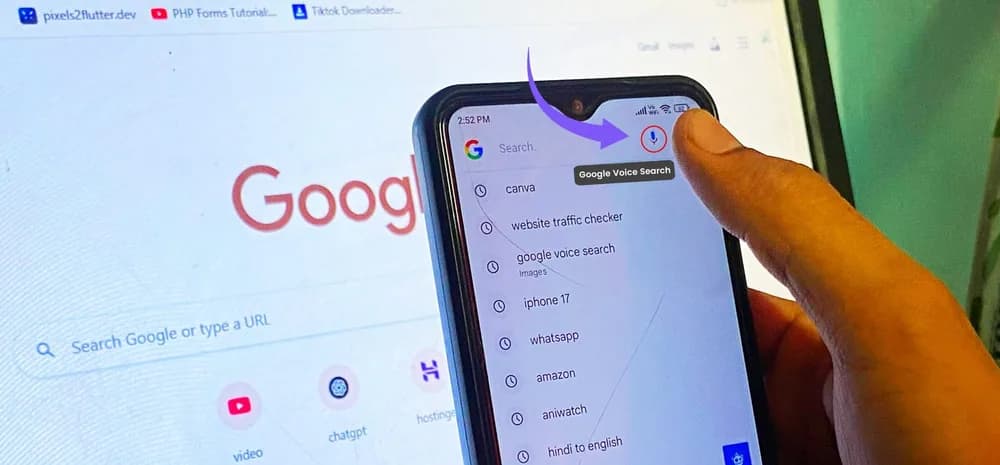
Let's be honest — the way people search online has completely changed in the past few years. Typing out keywords is still around, but talking to your phone or smart speaker is the new normal. In 2025, more than 60% of online searches are voice-based, and this number is only going to grow.
That's exactly why I wanted to write this. I've noticed so many businesses and websites still lagging when it comes to voice search SEO. If you're not optimizing your site for the way people naturally ask questions out loud, you're missing out on a huge audience. So, here's a simple, no-fluff guide on what voice search SEO is, why it matters, and how to actually do it right.
What Is Voice Search SEO?
Voice search SEO is about getting your website to show up when someone uses their voice to search instead of typing. And here's the thing — people don't talk to their devices the same way they type.
See the difference? Voice searches are more conversational and sound like how we actually talk in real life. So, if you want your website to show up when someone asks a question out loud, your content needs to be written for those natural, spoken queries.
Why Voice Search Matters Now
People use voice search because it's quick, hands-free, and convenient. Think about it — whether you're driving, cooking, or just too busy to type, it's easier to ask your phone a question than to search manually.
Some recent numbers explain how massive this shift has become:
So, if your business relies on local walk-ins, phone calls, or online orders, appearing in voice search results is non-negotiable.
Why Your Website Might Struggle with Voice Search SEO
Many websites lose out on voice traffic because their strategy hasn't adapted to how modern users search. Here are the 4 biggest bottlenecks holding websites back:
By addressing these key areas, you can significantly improve your site's performance in voice search and connect with more users. Don't let your site fall behind — adapt and thrive in the voice search era!
4 Key Factors to Understand in Voice Search SEO
Let's break down the main pillars you need to optimize if you want to consistently rank for spoken queries:
1. Conversational, Natural Queries
People speak differently than they type. They ask complete, casual questions rather than disjointed keywords.
2. Local SEO Is Crucial
A huge chunk of voice searches includes intent phrases like "near me", "open now", or "closest to me". Local businesses must take this as priority number one.
3. Featured Snippets Dominate
When Google Assistant or Siri answers a voice query, it usually reads aloud from Position Zero — the Featured Snippet box at the top of Google results.
4. Mobile Optimization Is a Must
Over 80% of voice searches occur on mobile devices. If your site is sluggish or awkward on a smartphone, voice algorithms won't recommend it.
How to Optimize for Voice Search: My Go-To Strategies
After auditing multiple high-traffic websites and voice search profiles, here are the exact strategies I recommend implementing right away:
Transform Your Digital Presence with Expert Voice Search SEO
- ✓ Custom voice search optimization strategies
- ✓ Natural language content optimization & FAQs
- ✓ Technical SEO, schema markup & speed audits

Personal Insight on Voice Search SEO

A Note from Rohit
Founder & Lead SEO Strategist at TechGosh
Now, let me share something personal. Over the years, I've worked with many agencies and clients, and let me tell you — many of these agencies, despite claiming to offer SEO services, have no clue about voice search SEO. It's frustrating because they're still stuck on outdated methods like copy-pasting content into social bookmarking sites.
"I know companies that have been doing SEO for over 5–6 years and still haven't embraced voice search. It's a massive blindspot in their strategy."
If you're looking for results that actually work, you need to understand that voice search is not just a trend but a fundamental game-changer for 2025 and beyond. If you don't catch up now, your competitors will leave you behind.
Voice search is growing exponentially, while traditional agencies remain stuck in the past.
Early adopters of voice optimization will capture dominant industry market share.
What's Next for Voice Search SEO?
With rapid breakthroughs in generative AI, large language models, and contextual assistants, voice search is evolving beyond single answers into full multi-turn conversations. Search assistants will personalize recommendations based on location, previous questions, and daily habits.
How We Help Brands Lead in Voice Search
Here is how our growth team at TechGosh helps businesses capture top voice rankings:
Final Thoughts
I wrote this because I've seen firsthand how much revenue businesses leave on the table by ignoring voice search. Optimizing for it isn't impossible or overly complicated — it simply takes a structured strategy, conversational copywriting, and building a site that caters to how humans actually speak.
In 2025, voice search SEO is not optional — it is essential. Get your site optimized and stay ahead of the competition.
“Digital dominance in 2026 relies on combining custom technical architecture with conversion-focused UX and data-driven marketing attribution.”

Rohit Chandravanshi
Spearheads end-to-end custom web development and scalable web application projects, driving system architecture, technical innovation, and delivery excellence.